Long trips can be exciting, but they often come with physical fatigue, mental strain, and disrupted routines. Comfort doesn’t happen by accident—it’s the result of thoughtful preparation and smart habits. Whether you’re traveling by plane, train, bus, or car, a few intentional choices can transform long hours on the move into a far more pleasant experience.
Plan Comfort Into the Journey, Not Just the Destination
Comfort starts before you leave. Rushed departures and poor planning often lead to unnecessary stress that lingers throughout the trip.
Helpful planning steps include:
- Choosing seats strategically when possible
- Scheduling breaks on road or train journeys
- Allowing buffer time to avoid rushing
- Packing with accessibility in mind
A calm start sets the tone for the entire trip.
Dress for Movement and Temperature Changes
What you wear during long travel hours matters more than style. Comfort-friendly clothing reduces stiffness and fatigue.
Ideal travel clothing features:
- Breathable, flexible fabrics
- Layers for changing temperatures
- Shoes that are easy to remove and supportive
- Compression socks for improved circulation on long journeys
Your body will thank you after several hours in transit.
Support Your Body While Sitting for Long Periods
Extended sitting strains the back, neck, and legs. Small adjustments can significantly improve physical comfort.
Useful support items include:
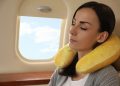
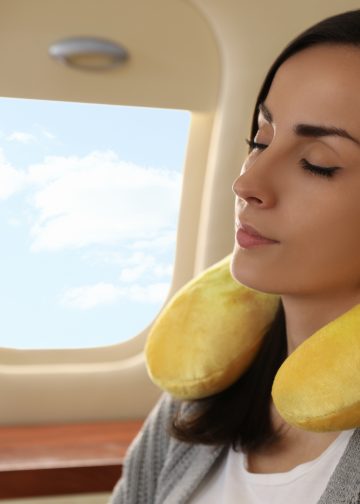
- Neck pillow or lumbar support
- Lightweight blanket or scarf
- Footrest or bag to elevate feet slightly
- Periodic stretching or movement
Even brief movement every hour helps maintain circulation and comfort.
Stay Hydrated and Eat Smart
Dehydration and heavy meals make long trips harder than they need to be. What you consume affects energy levels and digestion.
Comfort-focused nutrition tips:
- Drink water regularly, even if not thirsty
- Limit alcohol and excessive caffeine
- Choose light, balanced meals
- Pack healthy snacks to avoid poor food options
Consistent hydration reduces headaches and fatigue.
Create a Personal Comfort Kit
A small, well-prepared kit can dramatically improve your travel experience.
Consider including:
- Noise-canceling headphones or earplugs
- Eye mask for rest or sleep
- Hand sanitizer and face wipes
- Lip balm and moisturizer
- Reusable water bottle
These simple items help you feel refreshed even during long journeys.
Manage Sleep and Rest Strategically
Quality rest is often the difference between arriving exhausted and arriving functional.
Better rest strategies:
- Adjust sleep slightly before long trips
- Use eye masks and ear protection
- Avoid screens right before trying to sleep
- Accept short naps rather than forcing long sleep
Resting when you can is more important than following a strict schedule.
Keep Your Mind Engaged Without Overstimulation
Mental comfort matters just as much as physical comfort. Boredom and overstimulation both add to fatigue.
Balanced entertainment options include:
- Music or podcasts for relaxation
- Downloaded movies or shows
- Light reading or audiobooks
- Offline games or journaling
Choose content that calms rather than overwhelms.
Take Care of Circulation and Movement
Stiffness builds quickly when movement is limited. Gentle activity keeps your body functioning well.
Simple movement habits:
- Rotate ankles and stretch calves
- Stand or walk during breaks
- Do seated stretches for neck and shoulders
- Change sitting positions regularly
Small movements prevent discomfort from compounding.
Final Thoughts
Traveling comfortably on long trips is less about luxury and more about intentional self-care. By planning ahead, supporting your body, staying hydrated, and managing rest and stimulation, long journeys become manageable—and even enjoyable. Comfort isn’t indulgent; it’s practical.
Frequently Asked Questions
1. How can I reduce swelling in my legs during long trips?
Regular movement, hydration, and compression socks help reduce swelling and improve circulation.
2. Is it better to sleep or stay awake on long journeys?
It depends on your destination and schedule. Short naps are often more effective than forcing long sleep.
3. What’s the best way to avoid back pain while traveling?
Proper lumbar support, posture awareness, and regular stretching are key to preventing back discomfort.
4. How do I stay comfortable when traveling overnight?
Layer clothing, control light and noise, and bring familiar comfort items to improve rest quality.
5. Should I eat less during long trips?
Eating lighter, balanced meals helps prevent bloating and fatigue without sacrificing energy.
6. How do I manage anxiety during long travel?
Controlled breathing, calming entertainment, and preparation reduce stress and improve mental comfort.
7. Are comfort items worth the extra packing space?
Yes. A few well-chosen items often make a significant difference in how you feel during and after the trip.