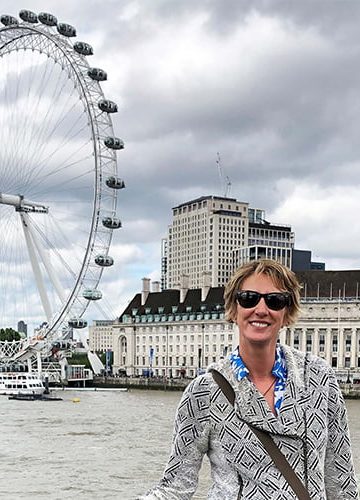
International travel opens doors to new cultures, experiences, and perspectives—but it also comes with unfamiliar risks. Staying safe abroad isn’t about fear; it’s about preparation, awareness, and smart decision-making. With the right habits, you can reduce risk while enjoying the freedom of exploring new places.
Research Your Destination Before You Go
Safety starts long before departure. Understanding local conditions helps you avoid unnecessary trouble.
Before traveling, research:
- Common scams targeting tourists
- Areas to avoid, especially at night
- Local laws and customs
- Political or social sensitivities
Knowing what’s normal—and what’s not—makes you harder to exploit.
Keep Important Documents Secure
Losing documents abroad can quickly turn a minor issue into a major problem.
Best practices include:
- Carrying copies of your passport and visa
- Storing digital backups securely online
- Using hotel safes when available
- Avoiding carrying all documents in one place
Separation reduces the impact if something goes missing.
Be Mindful of Personal Belongings
Petty theft is one of the most common issues travelers face, especially in crowded areas.
Protect your belongings by:
- Using anti-theft bags or backpacks
- Keeping valuables out of sight
- Avoiding distracted phone use in busy places
- Wearing money belts in high-risk areas
Awareness is often more effective than expensive gear.
Stay Aware of Your Surroundings
Situational awareness is a powerful safety tool. Many incidents happen when travelers are tired, rushed, or distracted.
Simple awareness habits:
- Trust your instincts if something feels off
- Avoid poorly lit or isolated areas
- Walk confidently, even if you’re unsure
- Limit alcohol in unfamiliar environments
Confidence and alertness reduce vulnerability.
Use Transportation Wisely
Transportation-related issues are a common source of stress and risk for international travelers.
Safer transport practices:
- Use licensed taxis or verified ride services
- Avoid unmarked or unofficial vehicles
- Research public transport routes in advance
- Sit near other passengers when possible
Planning routes ahead of time limits exposure to risky situations.
Protect Your Health While Traveling
Health-related issues can escalate quickly when you’re far from home.
Key health precautions:
- Carry necessary medications with prescriptions
- Stay hydrated, especially on long travel days
- Be cautious with street food and untreated water
- Have travel insurance that covers medical care
Preventive habits reduce emergencies.
Be Careful With Digital and Financial Security
Travel often increases exposure to digital theft and fraud.
Smart digital safety habits:
- Avoid public Wi-Fi for sensitive transactions
- Use strong passwords and device locks
- Notify banks before international travel
- Monitor accounts regularly for unusual activity
Financial awareness prevents long-term consequences.
Respect Local Culture and Laws
Unintentional disrespect can lead to legal trouble or social conflict.
Show respect by:
- Dressing appropriately for cultural norms
- Learning basic local phrases
- Following photography rules
- Understanding acceptable behavior in public spaces
Respect builds goodwill and keeps interactions positive.
Have an Emergency Plan
Even with preparation, things can go wrong. Knowing what to do reduces panic.
An effective emergency plan includes:
- Local emergency numbers saved on your phone
- Embassy or consulate contact details
- Clear meeting points if traveling with others
- Access to emergency funds
Preparation replaces fear with confidence.
Final Thoughts
Travel safety isn’t about limiting adventure—it’s about protecting your ability to enjoy it. By staying informed, alert, and respectful, you dramatically reduce risk while traveling internationally. Safe habits quickly become second nature, allowing you to focus on discovery rather than worry.
Frequently Asked Questions
1. Is international travel safe for solo travelers?
Yes. With proper planning, awareness, and communication, solo travelers can travel safely and confidently.
2. How can I avoid tourist scams abroad?
Research common scams in advance, stay cautious around unsolicited offers, and avoid sharing personal information.
3. Should I carry cash or rely on cards while traveling?
A mix of both is safest. Carry limited cash and keep cards in separate locations.
4. What should I do if my passport is lost or stolen?
Contact local authorities immediately, then reach out to your embassy or consulate for assistance.
5. Is travel insurance really necessary?
Yes. It provides financial protection for medical emergencies, cancellations, and unexpected disruptions.
6. How do I stay safe using public Wi-Fi overseas?
Avoid accessing sensitive accounts, use secure connections when possible, and log out after use.
7. What’s the most overlooked travel safety tip?
Paying attention to your surroundings. Awareness prevents more problems than any single piece of gear.