Introduction: Hotels as More Than Just Accommodation
In the realm of travel, hotels stand as much more than mere shelters for the night. They are vibrant intersections where culture, comfort, and hospitality converge, offering guests a gateway into the heart of a destination. The role of the hotel has evolved dramatically over centuries—from basic inns providing shelter to multifaceted sanctuaries of experience. Today, the finest hotels transcend their physical form, becoming immersive environments that tell stories, evoke emotions, and cater thoughtfully to the nuanced desires of modern travelers.
The Evolution of Hotels: A Journey Through Time
The history of hotels is as rich and diverse as the travelers they have served. Originating as roadside inns along ancient trade routes, hotels initially focused on providing rest and security. Over time, these establishments blossomed into grand palaces of hospitality, reflecting the architectural styles, social hierarchies, and cultural values of their eras.
-
Ancient Inns and Caravanserais: Centers for commerce and rest in bustling trade networks like the Silk Road.
-
Medieval Hostels: Offering refuge for pilgrims and merchants in Europe and the Middle East.
-
19th-Century Grand Hotels: Emblems of luxury and opulence during the rise of tourism and rail travel.
-
Modern Boutique and Lifestyle Hotels: Embracing personalization, sustainability, and local authenticity.
Each phase of this evolution mirrors shifts in societal norms, economic development, and travelers’ expectations.
Defining the Modern Hotel Experience
Today’s hotels balance artistry and functionality to create experiences that resonate on multiple levels. From the moment guests cross the threshold, every detail is designed to evoke comfort, intrigue, and belonging.
Atmosphere and Design: The Art of First Impressions
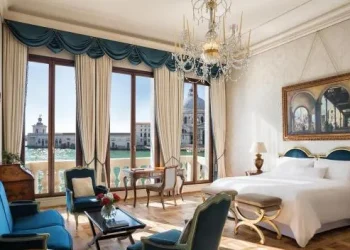
A hotel’s design communicates its identity long before guests step into their rooms. Whether through sweeping lobbies adorned with bespoke art or minimalist spaces bathed in natural light, architectural and interior choices craft a narrative.
-
Luxury hotels favor grand, timeless elegance, often drawing from classical motifs.
-
Boutique hotels celebrate local culture and creativity, weaving in regional materials and artisanship.
-
Eco-conscious properties highlight sustainable design without sacrificing style.
The environment sets the tone, inviting guests to immerse themselves fully in the hotel’s unique ambiance.
Service: The Soul of Hospitality
Exceptional service breathes life into the physical surroundings. It is the subtle attentiveness—the warm welcome, the staff’s intuitive understanding of needs—that transforms a stay into a memorable encounter.
Elements that define stellar service include:
-
Personalization: Remembering preferences and tailoring experiences.
-
Genuine warmth: Cultivating authentic human connections.
-
Efficiency and discretion: Delivering impeccable service without intrusion.
Service is not a checklist but an art form—where empathy and professionalism merge seamlessly.
Technology as an Enhancer, Not a Replacement
Incorporating technology enhances convenience and comfort, from seamless digital check-ins to smart room controls. Yet, the best hotels balance innovation with humanity, ensuring technology supports rather than replaces genuine interactions.
Varieties of Hotels: Meeting Diverse Traveler Needs
The hotel industry’s diversity mirrors the variegated tapestry of travelers and their desires. Different types of hotels cater to distinct priorities, creating a broad spectrum of possibilities.
-
Luxury Resorts: Lavish accommodations paired with world-class amenities such as spas, fine dining, and curated experiences.
-
Boutique Hotels: Intimate, often independently owned properties emphasizing unique design and local culture.
-
Business Hotels: Strategically located with amenities catering to corporate travelers, including meeting spaces and reliable connectivity.
-
Budget Hotels: Practical, clean, and affordable options for travelers prioritizing cost-efficiency.
-
Eco-Hotels: Environmentally conscious properties focusing on sustainability and conservation efforts.
Each segment offers a tailored narrative, ensuring that every traveler finds a hotel that aligns with their journey’s purpose.
Hotels as Cultural Gateways
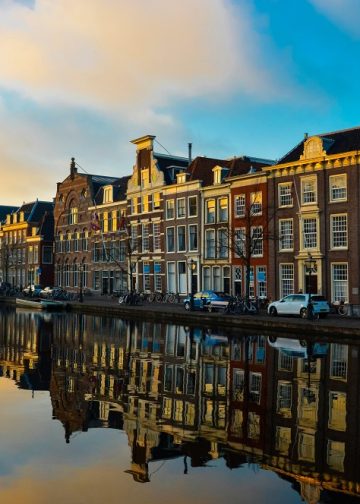
A hotel is often the traveler’s first encounter with a new locale. Beyond the comforts it offers, it serves as a cultural ambassador—introducing guests to local customs, cuisine, and art.
-
Collaborations with local artisans and producers enrich the guest experience.
-
Culinary offerings showcase regional flavors, turning dining into a cultural journey.
-
Programming such as workshops or guided tours deepen immersion.
By embracing and celebrating local heritage, hotels provide authenticity that transforms travel into a deeper, more enriching experience.
Challenges Facing the Hotel Industry Today
The hospitality sector is continuously adapting to a shifting landscape shaped by technological advances, sustainability imperatives, and changing traveler expectations.
Key challenges include:
-
Sustainability: Balancing luxury with responsible environmental stewardship.
-
Competition from Alternative Lodging: Rising popularity of vacation rentals and homestays.
-
Health and Safety Concerns: Reinventing cleanliness standards post-pandemic.
-
Evolving Guest Expectations: Demand for personalized, experiential travel.
Hotels that innovate thoughtfully while staying true to their core values will continue to thrive in this dynamic environment.
The Future of Hotels: A Symphony of Experience and Authenticity
Looking ahead, the future of hotels lies in harmonizing luxury with locality, technology with human touch, and convenience with conscientiousness. Travelers increasingly seek authenticity—a sense of place that connects them not just physically but emotionally.
Emerging trends include:
-
Experiential stays: Curated cultural, wellness, and adventure activities embedded within the hotel experience.
-
Wellness integration: Spa services, mindfulness programs, and health-conscious dining becoming central.
-
Hyper-personalization: Leveraging data and AI to anticipate guest preferences in subtle, meaningful ways.
-
Sustainable luxury: Elevating eco-friendly practices without compromising on comfort or elegance.
Hotels are poised to become sanctuaries of holistic well-being, creativity, and cultural exchange.
Conclusion: Hotels as Keepers of Stories and Memories
In essence, hotels transcend their role as mere accommodations. They are storytellers, curators, and companions on the traveler’s path. A thoughtfully designed hotel with heartfelt service does more than provide rest—it creates a space where memories are forged and horizons broadened.
Choosing a hotel is, therefore, an act of intention. It reflects what we seek from our journeys—comfort, adventure, cultural connection, or renewal. When hospitality embraces its full potential, hotels become living expressions of the places they inhabit and the people they welcome.
In this way, hotels remain timeless: evolving yet enduring, simple yet profound, offering travelers not just a place to stay but a place to truly belong.