Introduction: More Than Just a Place to Stay
Hotels are often perceived simply as temporary shelters during travel—places to rest the body before the next day’s adventure. Yet, the modern hotel is so much more than a bed and a roof. It is a carefully curated experience, a blend of comfort, culture, and sometimes even artistry. Behind every hotel lies a unique story—of architecture, service, design, and human connection—that elevates it from mere lodging to an essential part of the travel narrative.
As hospitality continues to evolve in the face of shifting traveler expectations, the hotel industry is embracing innovation and authenticity in equal measure. Whether in a grand historic building or a minimalist boutique hideaway, hotels have become destinations in their own right.
The Historical Tapestry of Hotels
The concept of a hotel dates back millennia, tracing its roots to ancient inns and caravanserais that dotted trade routes. These early establishments were practical but crucial, offering weary travelers food, rest, and security. As cities flourished and commerce grew, the hotel became a reflection of a culture’s values and ambitions.
Key milestones in hotel history include:
-
Roman tabernae which combined lodging with social hubs
-
Medieval inns that catered to pilgrims and merchants
-
The rise of grand European hotels in the 18th and 19th centuries, emphasizing luxury and social status
-
The birth of modern hospitality chains in the 20th century, democratizing travel for the masses
Today, this rich heritage informs how hotels blend tradition and innovation.
The Anatomy of a Modern Hotel Experience
A hotel’s appeal lies not just in its physical attributes, but in the intangible qualities that shape the guest’s journey. The best hotels understand that comfort is a holistic concept—one that encompasses environment, service, and emotional resonance.
Ambience and Design
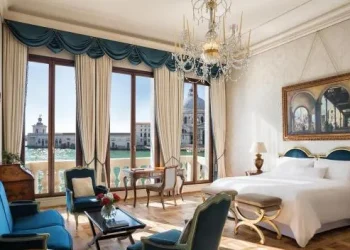
First impressions matter. Architecture and interior design play a pivotal role in setting the tone. From the grandeur of marble lobbies to the cozy warmth of wooden furnishings, design choices tell a story and evoke feelings.
-
Luxury hotels often showcase opulence and refinement through classic décor and bespoke art.
-
Boutique hotels emphasize individuality, reflecting local culture with a personal touch.
-
Eco-hotels prioritize sustainability with natural materials and energy-efficient systems.
Thoughtful design extends beyond aesthetics to functionality—quiet rooms, comfortable beds, and well-considered amenities foster restorative stays.
Service: The Heartbeat of Hospitality
Exceptional service transforms a stay from routine to memorable. It is the attentive yet unobtrusive staff, the personalized recommendations, and the anticipation of needs before they are spoken.
Hotels that excel focus on:
-
Genuine human connection, fostering warmth and trust
-
Attention to detail, from greeting guests by name to remembering preferences
-
Flexibility and empathy, accommodating special requests with grace
Such service elevates the guest experience, making people feel seen and valued.
Technology and Innovation
Modern travelers expect seamless integration of technology to enhance convenience without sacrificing warmth. From keyless room entry and mobile check-ins to in-room voice assistants and smart climate controls, hotels are embracing innovation.
Yet, technology must support rather than replace human interaction. The most successful hotels balance efficiency with the personal touch that defines hospitality.
The Diversity of Hotel Types: Tailored Experiences
Hotels today cater to a spectrum of needs and desires. The diversity reflects the variety of travelers and the experiences they seek.
-
Luxury hotels and resorts: Offering world-class amenities, fine dining, and exclusive services, these properties appeal to those seeking indulgence and status.
-
Boutique hotels: Characterized by intimate settings and unique design, they attract guests who value authenticity and local flavor.
-
Business hotels: Strategically located near commercial hubs, with facilities tailored for meetings, high-speed internet, and convenience.
-
Budget hotels and hostels: Focused on affordability, these provide clean, basic accommodations for cost-conscious travelers.
-
Eco-lodges and sustainable hotels: Prioritizing environmental responsibility, they appeal to conscious consumers looking to minimize their footprint.
Each category offers a distinct narrative, contributing to a mosaic of hospitality options worldwide.
Hotels as Cultural Ambassadors
A hotel is often the traveler’s first and last impression of a destination. Beyond comfort, it serves as a gateway to local culture and traditions. Successful hotels embrace their setting, weaving cultural elements into their offerings—from architecture and cuisine to events and partnerships with local artisans.
This cultural authenticity enriches the guest experience and supports community sustainability. Travelers who engage with local stories and customs through their hotel are more likely to leave with a profound sense of place.
Challenges and the Future of Hotels
The hotel industry faces dynamic challenges: changing traveler preferences, sustainability demands, and competition from alternative lodging like vacation rentals. However, these challenges have sparked creativity and resilience.
The future of hotels is being shaped by:
-
Sustainability practices: From waste reduction to renewable energy, hotels are embracing green initiatives.
-
Personalization through data: Advanced analytics allow tailored services that anticipate needs and preferences.
-
Health and wellness integration: Wellness amenities, from spa treatments to healthy menus and mindfulness spaces, are becoming central.
-
Experiential travel: Hotels increasingly offer curated experiences, such as local tours, cultural workshops, and immersive activities.
Hotels that successfully adapt will continue to captivate travelers who seek more than just accommodation—they seek meaningful connection.
Conclusion: Hotels as More Than Buildings
In the grand tapestry of travel, hotels hold a special place—not just as resting points, but as environments that nurture, inspire, and connect. They stand at the crossroads of comfort and culture, technology and tradition, utility and artistry.
Choosing a hotel is no longer a simple transaction; it is an invitation to participate in a curated experience. Whether it is the timeless elegance of a historic palace or the innovative charm of a boutique hideaway, hotels shape the way we remember our journeys and deepen our understanding of the world.
Ultimately, a great hotel is a storyteller—a place where each guest’s story intertwines with its own, creating memories that endure far beyond the stay.