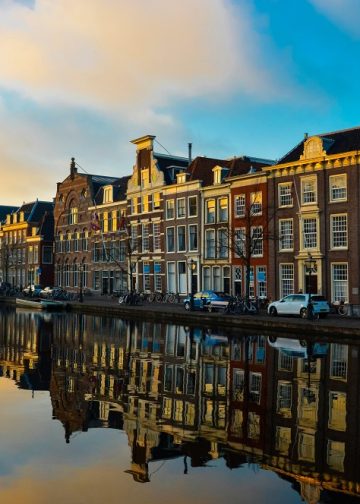
Living as a digital nomad offers freedom, flexibility, and cultural exposure—but only if your accommodation supports your work and lifestyle. The right space can boost productivity, protect your health, and help you feel grounded no matter where you land. Below is a practical, experience-driven guide to choosing accommodation that truly works for remote professionals.
Reliable Internet Is Non-Negotiable
For digital nomads, internet quality is the backbone of daily work. Even the most beautiful apartment becomes useless without stable connectivity.
Key points to verify before booking:
- Download and upload speeds (ask for screenshots or speed tests)
- Consistency during peak hours
- Backup options, such as a second router or nearby coworking space
- Mobile data coverage for hotspot use in emergencies
Pro tip: accommodations marketed to remote workers often advertise fiber or dedicated business lines—worth prioritizing when deadlines matter.
A Functional Workspace Makes a Real Difference
Working from a couch or bed might feel fine for a day or two, but it quickly affects posture and focus. A dedicated workspace helps maintain routine and efficiency.
Look for:
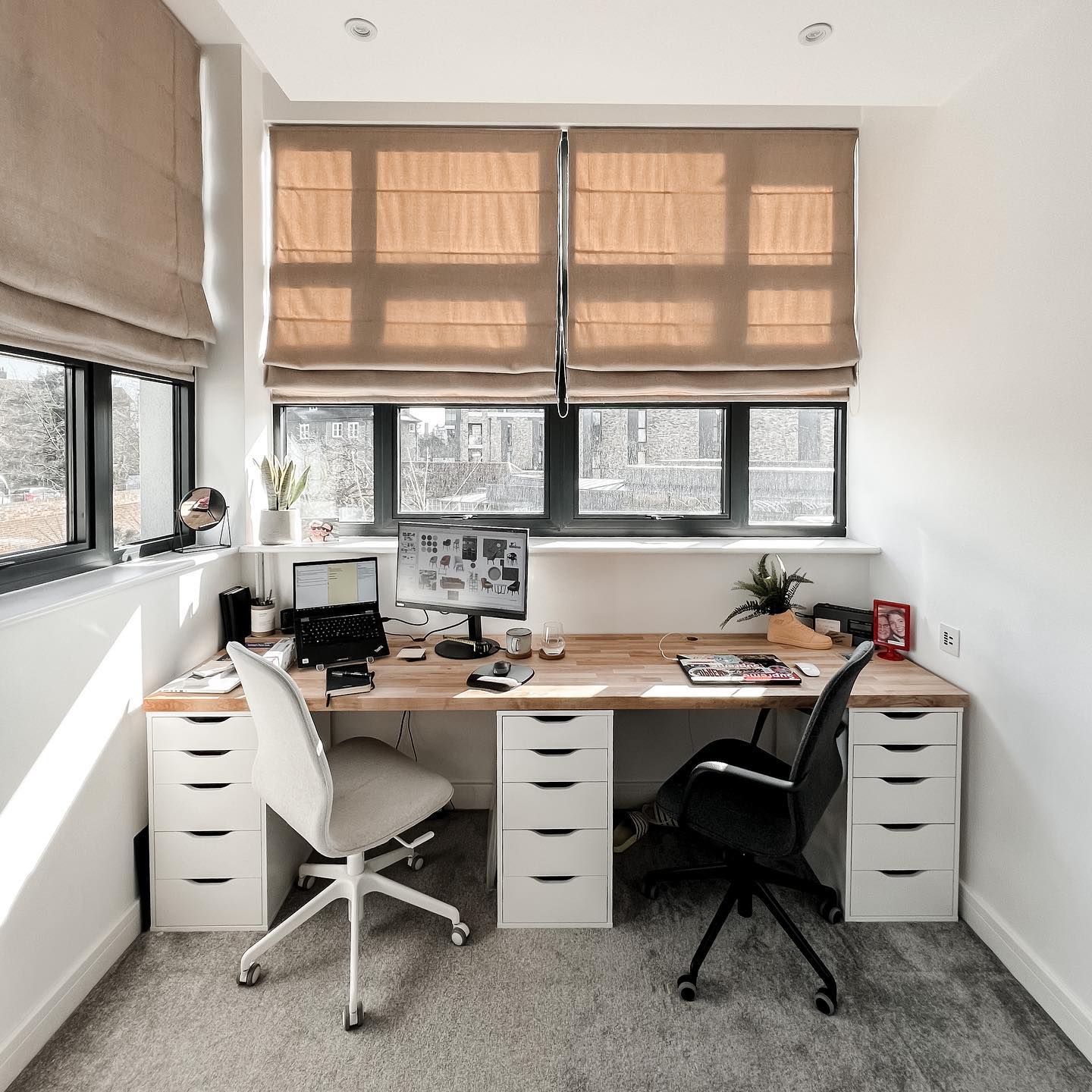
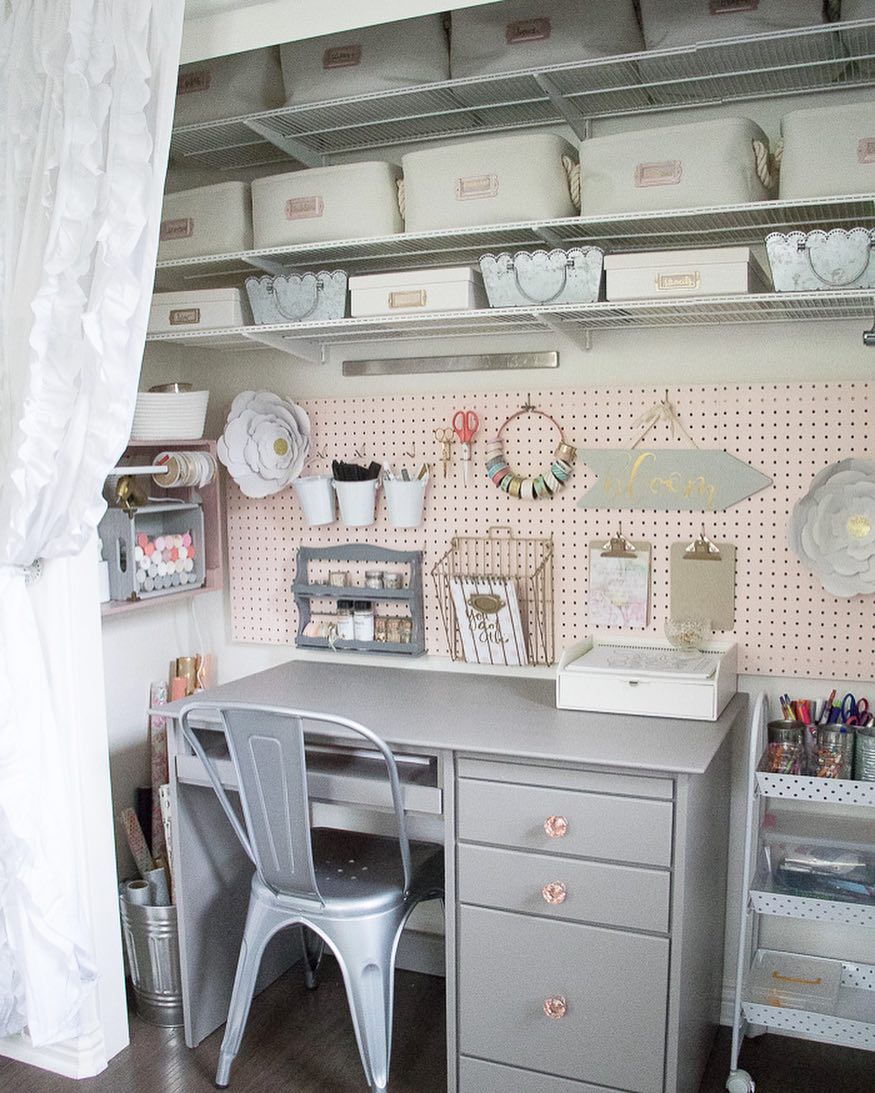
- A proper desk and supportive chair
- Adequate lighting, preferably natural
- Enough power outlets near the workspace
- Quiet surroundings or soundproofing
If the apartment lacks these features, check whether the building or neighborhood offers coworking access.
Comfort Beyond the Screen
Long-term stays demand more than a place to sleep. Comfort directly impacts mental health and work performance.
Essential comfort features include:
- Climate control (air conditioning or heating depending on location)
- Quality mattress and bedding
- Consistent hot water
- Good ventilation
These details are often overlooked in listings, so reading guest reviews carefully can reveal the truth.
Location Balances Lifestyle and Productivity
The ideal location depends on your priorities, but convenience is always key. Being too far from essentials adds friction to daily life.
Consider proximity to:
- Grocery stores and cafés
- Public transport or walkable areas
- Gyms, parks, or beaches for balance
- Medical facilities and pharmacies
A central yet quiet neighborhood often provides the best mix of focus and social life.
Safety and Security Matter More Than You Think
Feeling safe allows you to concentrate on work instead of worrying about belongings or personal security.
Check for:
- Secure locks and controlled building access
- Well-lit entrances and streets
- In-room safe or lockable storage
- Neighborhood reputation from recent reviews
Trust your instincts—if something feels off during communication with the host, it usually is.
Flexible Stays and Clear Policies
Digital nomad plans can change quickly due to visas, projects, or personal reasons. Flexible booking terms reduce stress and financial risk.
Helpful features include:
- Weekly or monthly discounts
- Reasonable cancellation policies
- Clear rules on guests, utilities, and cleaning
- Transparent pricing with no hidden fees
Always confirm what’s included, especially electricity and internet, in regions where utility costs fluctuate.
Fully Equipped Living Essentials
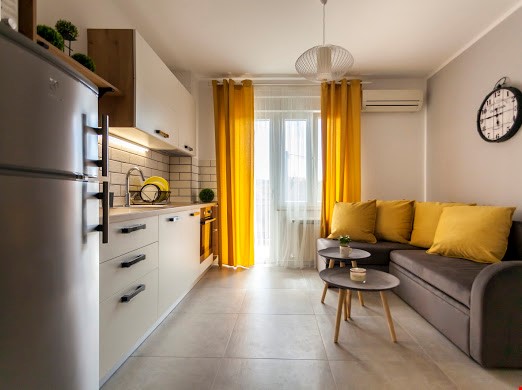
Cooking at home saves money and supports healthier routines. A well-equipped space also reduces the need for constant purchases.
Useful amenities to have:
- Functional kitchen with basic cookware
- Refrigerator and microwave
- Washing machine or laundry access
- Storage space for clothes and gear
These features are especially important for stays longer than a few weeks.
Community and Social Opportunities
While independence is part of the appeal, isolation can creep in. Some accommodations naturally foster connection.
Options that support social balance:
- Coliving spaces with shared areas
- Buildings with communal lounges or rooftops
- Hosts who organize meetups or local tips
- Nearby coworking spaces with active communities
Having easy access to other remote workers can enrich both work and travel experiences.
Budgeting Without Sacrificing Quality
Cheapest isn’t always best. Poor internet, discomfort, or constant noise can cost more in lost productivity.
Smart budgeting tips:
- Compare monthly rates instead of nightly prices
- Factor in coworking costs if the workspace is lacking
- Balance location convenience with rent
- Read multiple reviews, not just the highest-rated ones
Value comes from functionality, not just aesthetics.
Final Thoughts
Digital nomad accommodation isn’t about luxury—it’s about supporting a sustainable remote lifestyle. Prioritizing internet, workspace, comfort, safety, and flexibility ensures your home works as hard as you do. With the right setup, you can stay productive while fully enjoying the freedom that remote work offers.
Frequently Asked Questions
1. How long should digital nomads stay in one accommodation?
Most nomads find one to three months ideal for balancing productivity, local immersion, and avoiding burnout.
2. Is coliving better than renting a private apartment?
Coliving suits those seeking community and simplicity, while private apartments offer more privacy and control. The best choice depends on work style and personality.
3. Should I rely only on accommodation Wi-Fi?
No. Having a local SIM or eSIM as backup is strongly recommended in case of outages.
4. Are hotels suitable for digital nomads?
Serviced apartments and extended-stay hotels can work well, especially when they offer desks, kitchens, and strong internet.
5. How can I verify internet quality before booking?
Ask the host for recent speed tests, read reviews mentioning Wi-Fi, and check local internet providers in the area.
6. What’s the best way to avoid accommodation scams?
Book through reputable platforms, avoid deals that move off-platform early, and never send direct payments without protection.
7. How important is natural light for remote work?
Very important. Natural light improves mood, reduces eye strain, and helps maintain healthy daily rhythms while working indoors.